
The first time someone told me they were flying to Japan for ten days and only visiting Tokyo, I felt a small pang of worry for them. Not because Tokyo isn’t incredible — it is — but because Japan is not one country to explore. It’s several.
A trip built entirely around neon streets and vending machines will feel completely different from one built around quiet temples, snow monkeys, or turquoise beaches. And most first-time visitors don’t realize this until they’re already there, wishing they had planned differently.
So if you’ve typed “which part of Japan is best to visit” into a search bar, you’re asking exactly the right question. The answer isn’t a single city. It depends on what kind of trip you actually want. This guide breaks down Japan’s most popular regions honestly, so you can match your travel style to the right part of the country — instead of guessing.
Why “Best” Depends on the Traveler, Not the Destination
Before jumping into specific regions, it helps to understand something most travel articles skip: Japan doesn’t have one “best” region. It has several regions that are best for different reasons.
A traveler chasing cherry blossoms and ancient shrines will have a completely different ideal itinerary than someone who wants to snowboard in powder snow or relax on a subtropical beach. Japan’s geography stretches over 3,000 kilometers from north to south, which means the climate, culture, food, and pace of life shift dramatically depending on where you land.
That’s actually good news. It means there’s a “right” part of Japan for almost anyone — you just need to know what to look for.
Tokyo and Kanto: For First-Timers Who Want It All
If this is your first trip to Japan, Tokyo and the surrounding Kanto region are still the most practical starting point, and for good reason.
What Makes Tokyo Worth It
Tokyo isn’t just skyscrapers and crossings. Neighborhoods like Shibuya and Shinjuku deliver the fast-paced, futuristic energy most people picture when they think of Japan, while areas like Asakusa slow things down with centuries-old temples and traditional streets. You could spend two weeks in Tokyo alone and still not see everything — most visitors only scratch the surface of what the city actually offers.
Easy Day Trips From Tokyo
One underrated advantage of basing yourself in Tokyo is how easy it is to escape it. Nikko’s forest shrines, Kamakura’s giant Buddha statue, and Hakone’s hot springs with Mount Fuji views are all within a few hours by train. This makes Kanto ideal if you want city energy balanced with quieter day trips, without committing to long-distance travel.
Best for: First-time visitors, food lovers, people who want a mix of modern and traditional without traveling far.
Kansai Region: Kyoto, Osaka, and Nara for Culture Lovers
If Tokyo represents Japan’s future, Kansai represents its past — and its personality.
Kyoto’s Old-World Charm
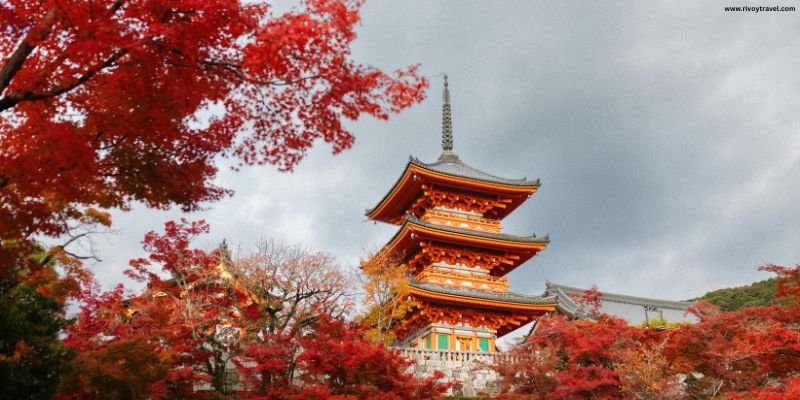
Kyoto was Japan’s imperial capital for over a thousand years, and it shows. Because it was spared from wartime bombing, Kyoto still holds well-preserved historic streets, wooden machiya houses, and thousands of temples and shrines, several of which are UNESCO World Heritage Sites.
Walking through the Gion or Higashiyama districts at dusk, when lanterns start glowing along quiet stone streets, is the kind of moment that makes people fall in love with Japan.
Osaka’s Energy and Food Scene
A short train ride from Kyoto, Osaka flips the mood entirely. Known as Japan’s food capital, Osaka is louder, friendlier, and built around eating well — think street food stalls, izakayas, and neighborhoods lit up with giant illuminated signs. If Kyoto is where you slow down, Osaka is where you loosen up.
Nara’s Gentle Detour
Nara deserves a mention too. It’s an easy day trip from either Kyoto or Osaka, famous for its free-roaming deer and the massive Todai-ji temple housing one of Japan’s largest bronze Buddha statues.
Best for: History lovers, foodies, travelers who want deep cultural immersion in a smaller geographic area.
Hokkaido: Japan’s Wild, Uncrowded North
Hokkaido feels like a different country entirely — and that’s exactly its appeal.
Japan’s northernmost island is defined by wide-open landscapes, dramatic seasons, and noticeably fewer crowds than the mainland’s famous cities. Winter here means some of the best powder snow in the world, drawing skiers and snowboarders to resort towns like Niseko. Summer flips the script completely, with lavender fields in Furano turning the countryside purple and pink.
Sapporo, the region’s main city, is worth a stop on its own — famous for its beer, ramen, and lively winter festival featuring massive snow sculptures.
Best for: Nature lovers, winter sports fans, travelers who want to escape crowded tourist routes.
Okinawa: For a Completely Different Side of Japan
If someone showed you a photo of Okinawa without telling you where it was, you might guess Southeast Asia before you guessed Japan — and that’s the point.
This subtropical chain of islands in the south feels worlds away from Tokyo’s skyscrapers or Kyoto’s temples. Think turquoise water, coral reefs, and a laid-back pace shaped by a distinct local culture that developed separately from mainland Japan for centuries.
It’s a popular choice for travelers who want beach time without leaving the country, or who want to add real contrast to a longer, multi-region trip.
Best for: Beach lovers, divers, travelers looking to slow down after busy city stops.
Beyond the Big Names: Where Seasoned Travelers Go
Once you’ve covered Tokyo, Kyoto, and maybe Osaka, Japan opens up further. Regions like Kanazawa on the west coast, the mountain towns of Takayama and Matsumoto, and the Tohoku region in the north offer a quieter, less touristy version of Japan — often called the “back way” by travelers who’ve done the golden route before and want something different the second time around.
These areas aren’t necessarily “better” than the famous spots, but they reward travelers who have a bit more time and want to explore beyond the standard itinerary.
So, Which Part of Japan Is Best to Visit?
Here’s the honest answer: it depends on how much time you have and what kind of experience you’re after.
- First trip, 7–10 days? Stick to Tokyo and Kyoto, with maybe one day trip like Hakone or Nara.
- Love culture and history? Kansai region (Kyoto, Nara) deserves the most time.
- Want nature and fewer crowds? Hokkaido, especially outside peak winter season.
- Craving beaches and a slower pace? Okinawa is worth the flight south.
- Been to Japan before? Look into Kanazawa, Takayama, or Tohoku for something new.
A common mistake first-time visitors make is trying to cover too many regions in too little time. Japan’s high-speed rail network makes travel between cities fast and comfortable, but distances are bigger than they look on a map — Tokyo to Kyushu, for example, is roughly the same distance as New York to Florida. It’s usually better to explore two or three regions properly than to rush through five.
Planning Your Trip
Once you’ve picked the region that fits your travel style, the next step is locking in flights, accommodation, and any tours or experiences you don’t want to miss — especially during cherry blossom season (late March to early April) or autumn foliage season (November), when popular spots book up fast.
Whichever part of Japan you choose, the country rewards travelers who plan with intention rather than trying to see everything at once. Pick your region, go deep, and save the rest for next time.